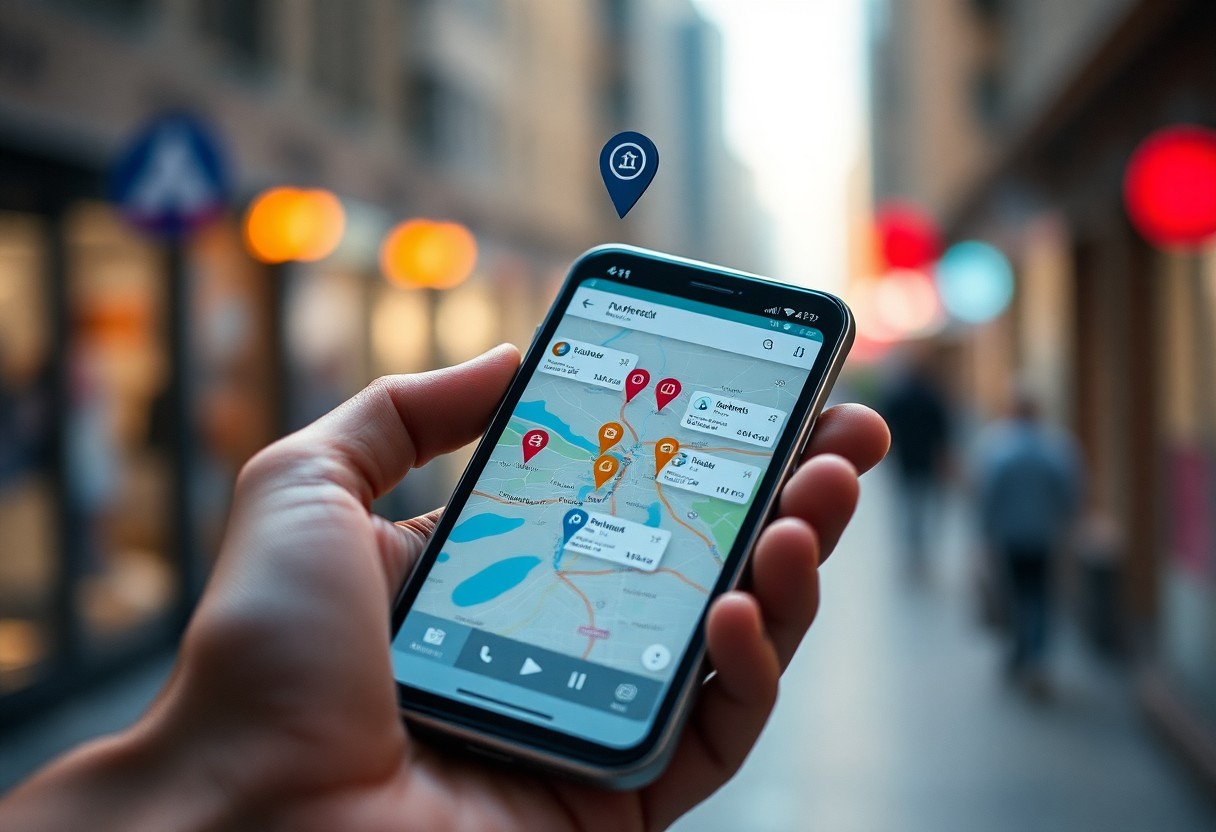
AI is rewriting how you find things nearby-real-time map optimization pushes businesses in front of you the second you need them. I see local entities getting hyper-accurate, reviews shaping decisions instantly, and AI recommendations knowing your moves before you do. This isn’t the future-it’s today, and it’s dangerously fast.
Key Takeaways:
- AI-powered local search understands user intent by analyzing context, location, and behavior to deliver more accurate and personalized results.
- Map optimization now uses machine learning to prioritize relevant points of interest, improving visibility for local businesses based on real-time data.
- Local entities-like stores, restaurants, and services-are better recognized and categorized by AI through structured data and semantic understanding.
- Customer reviews are processed with natural language understanding to highlight sentiment, key topics, and business strengths or issues automatically.
- Location-based AI recommendations adapt to individual preferences and movement patterns, suggesting places users are more likely to visit and enjoy.
Entities as the New Atoms of Discovery
I see it every day-your customers aren’t searching for keywords anymore, they’re chasing real things: places, people, products, events. Entities are now the smallest unit of truth in local discovery, and if you’re still optimizing for phrases instead of identities, you’re already behind. This shift? It’s not coming. It’s here.
Knowledge Graphs and the Identity of Place
You think Google just indexes pages? Nah. It builds living maps of meaning-connecting your business to neighborhoods, categories, hours, even vibes. I watch how queries like “best coffee near me with outdoor seating” pull from structured identity data, not keyword stuffing. Your place isn’t a listing. It’s a node in a massive web of understanding.
Relational Data in the Local Ecosystem
One review doesn’t stand alone-it links to a person, a timestamp, a device, a weather pattern that day. These connections reveal intent, trust, and behavior better than any star rating ever could. I track how AI weighs these signals to decide who wins the local pack.
Let me break it down: when someone searches “dog-friendly brunch,” the AI doesn’t just scan menus. It checks which places have photos tagged with dogs, cross-references reviews mentioning pets, analyzes foot traffic on weekends, and even factors in nearby leash laws. Your business only shows up if the relational web confirms authenticity. I’ve seen shops with five-star ratings get buried because their data ecosystem is thin. You can’t fake context.
Predictive Geographies and AI Recommendations
Anticipatory Logic in Consumer Navigation
I know where you’ll want to eat before you do. Your past routes, weather patterns, and even your calendar tell AI when you’ll crave coffee or need a last-minute gift. This isn’t magic-it’s math with muscle. Every tap trains the system to predict your next move with scary accuracy.
The Personalization of Physical Space
You walk into a city and the map already knows your vibe. It reshapes storefronts, reroutes streets, and highlights hidden bars-all based on your habits. Your world isn’t static; it bends to your behavior in real time.
Imagine walking through a neighborhood that feels hand-curated just for you. I’ve seen apps that dim irrelevant streets and light up taco trucks you’ve never tried but will love. Your location history, mood from check-ins, and even how long you linger at parks feed this engine. It turns geography into a living, breathing extension of your personality. That’s not just smart-it’s intimate. And yeah, it’s powerful as hell.
Strategies for the Algorithmic Frontier
I’m not waiting for the future of local search-I’m building it now. Every move I make is about staying ahead of how algorithms interpret real-world behavior. You think ranking is about keywords? Nah. It’s about context, timing, and signals most people ignore. The game changed, and if you’re still optimizing like it’s 2020, you’re already losing.
Optimization for Non-Linear Search Paths
You don’t search in straight lines anymore, so why is your SEO strategy so rigid? I track how people jump from voice to image to map tap-chaotic, human, unpredictable. That’s where the wins are. Build content that answers sideways questions, because the algorithm rewards relevance, not rigidity.
Integrating Visual and Voice Spatial Triggers
I train my systems to react when you say “Hey, what’s that building?” or snap a blurry photo mid-walk. That’s the moment intent peaks. If your business doesn’t show up in those split-second visual and voice bursts, you’re invisible. This isn’t sci-fi-it’s search, right now.
Let me break it down: when you use voice near a landmark or take a picture of a storefront, AI maps that to local entities in real time. I optimize for those micro-moments by embedding spatial metadata, training image recognition models on local signage, and aligning voice search phrases with neighborhood slang. The brands that own these triggers dominate proximity-based discovery. You’re either in the frame or you’re not-there’s no middle ground.
Conclusion
The way I see it, AI-powered local search and map optimization are changing how you find what’s around you. I’m talking hyper-accurate local entities, real-time reviews, and smart location-based recommendations that know what you want before you do. This isn’t the future-it’s happening now, and I’m all in.